
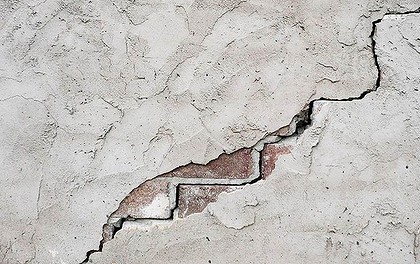
 Comprehensive property reports can save pain down the track.
For many people, filling out a detailed, accurate condition report at the start of a tenancy is about as appealing as doing their tax return or cleaning the car.
For first-time renters especially, given the choice between setting up their new share house, organising the housewarming party or checking the skirting boards for signs of wear and tear, it’s easy to see why paperwork often gets bumped.
But bond payments are generally worth at least a month’s rent – often more. Retrieving your share of it relies in large part on creating (and keeping handy) a rock-solid condition report that reflects exactly what the place looked like when you moved in.
Under the Residential Tenancies Act, once tenants pay their bond (or security deposit) to their landlord, they must be given two copies of a completed condition report that covers every aspect of the property and is signed by either the landlord or the real estate agent handling the property.
The report should note significant structural damage, such as broken fence palings or cracks in ceilings; minor damage, such as chipped tiles or warped doors; and even cleaning issues, such as stained curtains or dirty carpet.
It may sound tedious, but tenants are obliged to go through each item on the condition report, amending any they don’t think are accurate and adding any that are missing. Sometimes, this means adding extra pages to the original report detailing issues the landlord or agent has underplayed or overlooked.
A condition report is a binding document that a landlord can use at the end of a tenancy to withhold part, or all, of a tenant’s bond money to pay for cleaning or repairs that were never noted.
So even for first-timers gagging to get the fun started, it’s worth spending an hour or so ensuring the condition report accurately reflects reality. Taking photos to prove the point is also a smart move.
And it’s critical for tenants to keep their copy of the final report – and images – somewhere safe in case a dispute arises later. Simply signing and returning an incomplete condition report is about as clever as signing a blank cheque.
Of course, noting damage to a property at the start of a tenancy doesn’t mean living with it indefinitely. Under the act, landlords must ensure their property is reasonably clean to start with and is kept in good repair.
Should a landlord agree to make repairs at the outset, it’s wise for tenants to get this in writing – or have it added to the tenancy agreement – before handing over a cent.
When the need for repairs arises further down the track, landlords are legally obliged to arrange them swiftly. This means within two or three days in the case of urgent problems, such as gas leaks, and within two weeks of receiving a tenant’s written request (or ”notice to landlord”) in the case of non-urgent repairs.
For tenants moving on before their lease expires, it’s important to update the paperwork and save headaches later.
This includes removing their name from lease agreements, alerting the Residential Tenancies Bond Authority, and approaching their landlord to ask (there’s no legal obligation) him or her to inspect the property and update the condition report accordingly.
Kath Dolan, domain.com.au